
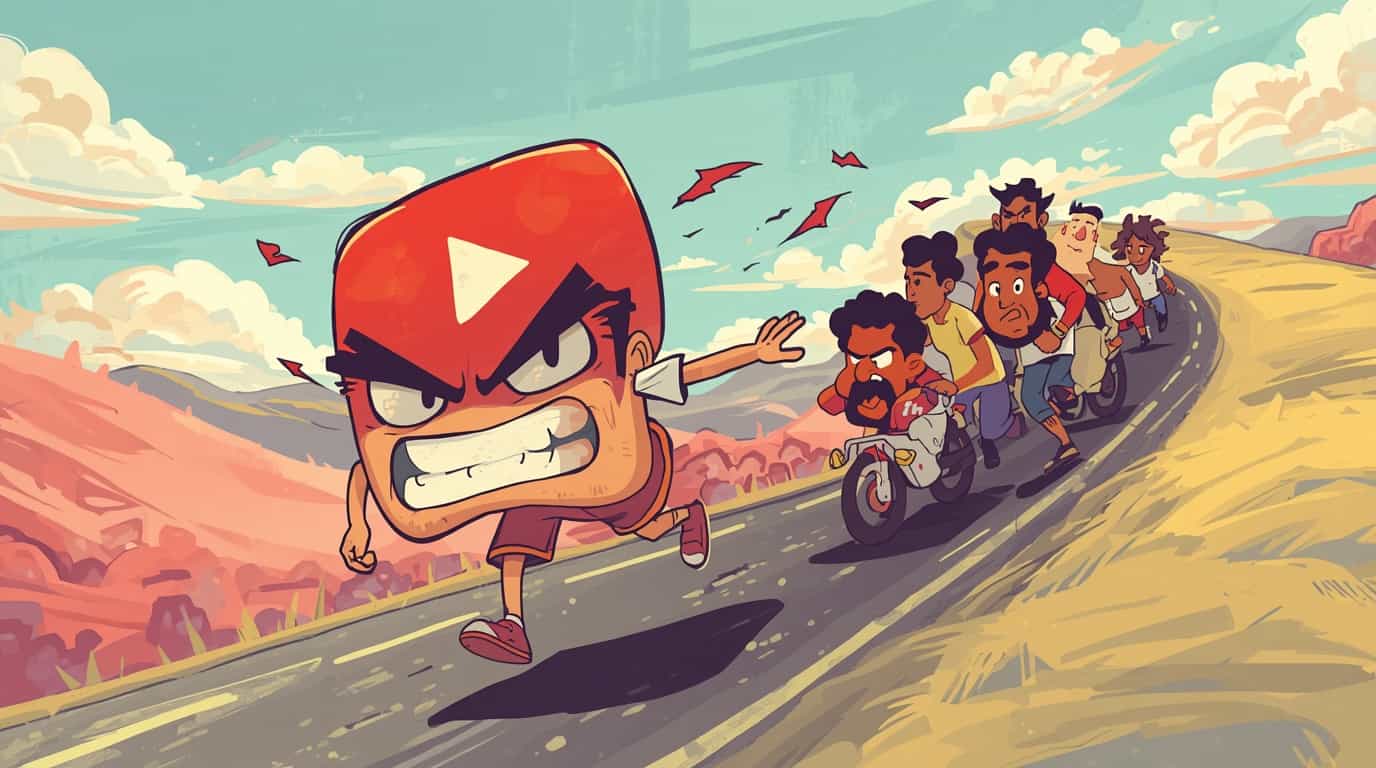
When we discuss addiction in our modern world, our minds typically gravitate toward the most visible and well-documented issues. We think of eating disorders, substance abuse, gambling, or perhaps the darker corners of the internet like pornography. These are significant challenges that deserve our full attention, compassion, and understanding. However, there exists another addiction lurking in the shadows of our daily lives, quietly infiltrating our routines without us even noticing its presence.
We need to talk about YouTube addiction.
This is not merely “using the internet” or “watching videos.” It represents a specific, meticulously engineered cycle of consumption that has transformed how we interact with information, entertainment, and even our own thoughts. You are familiar with this scenario: you sit down to watch one educational tutorial, perhaps a cooking recipe or a how-to guide. You tell yourself it will take five minutes. Suddenly, two hours have vanished from your day. You find yourself mindlessly scrolling through what experts now call “brainrot” content, rationalizing that you are being productive or “learning something new,” while your attention span slowly deteriorates.
If you feel like you are losing control over your time and mental energy, you are not alone. You are part of a global phenomenon that has captured millions of users worldwide. Let us examine why this platform is so extraordinarily difficult to resist and explore practical strategies for reclaiming your autonomy.
The Architecture of Obsession: How YouTube Captures You
To understand why YouTube is so addictive, we must first examine the design principles that make it nearly impossible to leave. The YouTube interface is not a random collection of buttons and menus rather it is a masterpiece of psychological engineering designed to maximize user engagement.
In its early days, YouTube was a relatively simple, minimalistic platform for sharing home videos and amateur clips. It functioned as a tool that users employed when they needed something specific, then left. However, since Google’s acquisition in 2006, it has evolved into something far more sophisticated and insidious. Today, YouTube is less about video sharing and more about a highly sophisticated advertisement delivery system where videos serve as the content that keeps you engaged long enough to view advertisements.
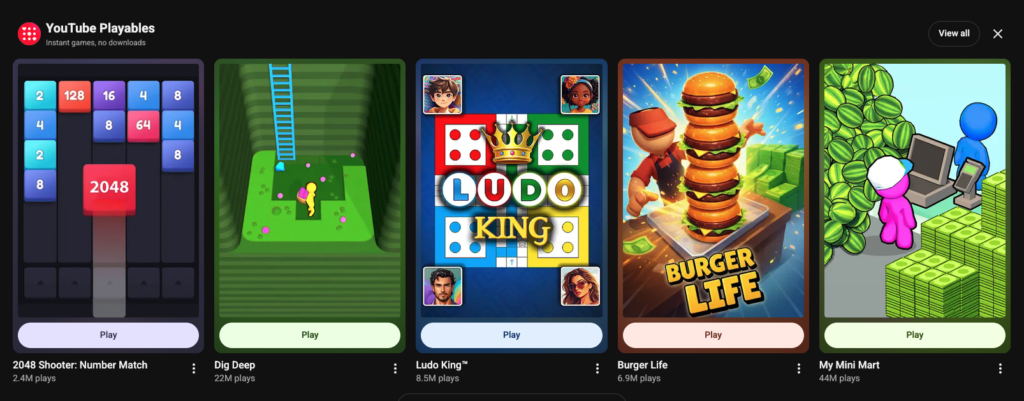
Every recommendation on your homepage is calculated by complex algorithms that analyze your viewing history, search patterns, the time you spend on each video, even how long you hover your cursor over thumbnails. The goal is singular: to keep you clicking for as long as possible. This “infinite scroll” design eliminates natural stopping points, creating a psychological state where you are constantly reaching for “just one more” video.

The platform’s business model depends on your attention. The longer you stay engaged, the more advertisements they can serve you, and the more revenue they generate. If you wish to escape this cycle of constant advertisement bombardment, YouTube offers Premium subscriptions—essentially a toll road for what was once a free and simple platform.
The Dopamine Trap: Understanding the Science Behind Shorts
Perhaps the most problematic evolution of YouTube is the aggressive introduction of Shorts. Let us be clear: most users I doubt requested this feature. We did not ask for a constant, vertical stream of 15-second clips to interrupt our viewing experience.
From a neurological perspective, Shorts are extraordinarily potent. They provide rapid, frequent dopamine hits that mimic the effects of other addictive substances. Dopamine is a neurotransmitter associated with pleasure, reward, and motivation. When you watch an engaging Short, your brain releases dopamine, creating a sense of satisfaction. This triggers the reward center in your brain, compelling you to seek that same feeling again immediately.
The result is a cycle similar to what researchers observe in laboratory experiments with rats pressing levers for dopamine stimulation. You keep scrolling, seeking the next hit of satisfaction, until you eventually “crash out”—that moment of mental exhaustion where you realize you have been staring at a screen for hours without absorbing any meaningful information.
What makes this particularly problematic is that YouTube makes it nearly impossible to escape these Shorts, even when you explicitly request it. Despite options to remove them from your feed, they persistently find their way back into your experience like uninvited guests who refuse to leave. They diminish productivity, deplete mental energy, and offer minimal substantive value in return for the time invested.
The Creator Pressure Cooker: Why Content Quality Has Declined
We must also examine the conditions under which content creators operate. While I am not advocating for content censorship, there exists a systemic problem with how creators are compelled to behave to survive within the YouTube ecosystem.
The YouTube algorithm operates on principles that prioritize consistency and engagement over quality. If a creator does not maintain regular posting schedules, the algorithm “penalizes” them by reducing their visibility. But consider this question: how many hours of ethical, high-quality, educational content can one person realistically produce every single day?
The pressure to maintain constant production creates immense stress for creators. To cope with these demands, many pivot toward “filler” content or what we colloquially call brainrot. This explains why your feed may be saturated with videos featuring titles like “I ate 100 burgers in one hour” or “I slept naked in the freezing Himalayas.”” These videos are not designed to inform or educate; they are engineered to capture attention because you are bored and seeking stimulation.
The platform has created an environment where “shock value” often supersedes substance, and creators who refuse to adapt risk being rendered invisible. This has led to widespread burnout, mental health issues, and a decline in the overall quality of content available on the platform.
The Moderation Paradox: Inconsistency and Double Standards
One of the most frustrating aspects of YouTube’s current state is its inconsistent approach to content moderation. We observe this in how the platform handles controversial or questionable content.
There have been documented instances where users, while watching wholesome content such as meditation videos or educational tutorials, encounter recommendations for channels that appear to violate community guidelines. When these channels are reported for being inappropriate or obscene, they often remain active because they have reached certain subscriber thresholds that seem to provide immunity.

This creates a problematic double standard. On one hand, creators are frequently subjected to frivolous copyright claims and forced to self-censor their content to avoid triggering automated systems that might flag them for advertisers. On the other hand, certain channels operate with apparent impunity, posting content that would be removed from smaller creators.
This lack of consistent moderation makes the platform feel unpredictable and unreliable. It also raises questions about what content is truly acceptable on a platform that claims to be family-friendly and safe for all ages.
The AI Revolution: A New Challenge for Authenticity
We now face a new frontier in the evolution of YouTube: the proliferation of AI-generated content. The platform is currently experiencing an unprecedented flood of videos produced on an industrial scale using artificial intelligence tools.
Because the YouTube algorithm rewards volume and consistency, these AI-generated videos are being pushed into user feeds at an extraordinary rate. While artificial intelligence has tremendous potential for creative applications, the current implementation on YouTube raises significant concerns about quality control and authenticity.
When a platform is saturated with content where no human has verified the accuracy or ethics of the information provided, we encounter serious problems. It becomes a race to produce more content rather than better content, with little regard for whether the information is true or beneficial.
Furthermore, Google’s own policies regarding AI content appear contradictory. Their AI tool, Gemini, can generate videos for users, yet when those same types of videos are uploaded to YouTube, creators may face penalties for “spamming” the platform with similar content. This inconsistency suggests that the platform’s priorities may be more focused on profit than quality.
The Long-Term Effects: What YouTube Addiction Does to You and Society
The consequences of uncontrolled YouTube consumption extend beyond wasted time. Research suggests that excessive engagement with platforms like YouTube can have significant impacts on cognitive function, mental health, and social behavior.
Attention Span Degradation: The constant stimulation from rapid video changes can shorten attention spans, making it difficult to focus on longer tasks such as reading or studying.
Mental Health Impact: Social comparison through videos can lead to feelings of inadequacy, depression, and anxiety. The unrealistic standards presented in many videos can distort perceptions of reality.
Sleep Disruption: Late-night viewing sessions can interfere with sleep patterns, leading to fatigue and reduced productivity the following day.
Social Isolation: Excessive screen time can replace face-to-face interactions, leading to social isolation and reduced social skills.
Information Quality: The lack of verification for content means users may consume misinformation or inaccurate information, affecting their understanding of important topics.
For children and adolescents whose brains are still developing, these effects can be particularly pronounced and potentially permanent.
A Comprehensive Strategy for Reclaiming Your Digital Life
While the challenges are significant, they are not insurmountable. To use YouTube effectively in today’s digital landscape, we must adopt a more intentional approach. Here is a comprehensive strategy for taking back control of your digital experience.
1. Implement Browser Extensions and Tools
You do not need to accept the platform exactly as it is presented. Various browser extensions allow you to customize your YouTube experience by blocking specific interface elements that contribute to addictive behavior. Extensions can help you remove recommended videos, hide Shorts, and disable autoplay features. These tools create barriers that give you time to think before clicking on the next video. I am not recommending any particular extension for legal reasons but you can easily search from Firefox store.
2. Conduct a Subscription Purge
We tend to accumulate subscriptions without considering their value. Take time to review your subscription list and evaluate each channel critically. Ask yourself: Does this creator provide content that is genuinely valuable? Have I watched their videos in the past month? If you cannot answer yes to these questions, unsubscribe.
Consider reducing your subscriptions to a manageable number—perhaps 10-20 channels that consistently provide high-quality content. This will make your feed more meaningful and reduce the temptation to mindlessly scroll through irrelevant videos.
3. Establish Time Limits and Boundaries
Set specific time limits for your YouTube usage. Many devices have built-in screen time tracking tools that allow you to monitor and limit your usage. Set alerts to remind yourself when you have reached your predetermined limit, and commit to stopping when that time arrives.
4. Practice Active Viewing
Transform your viewing habits from passive consumption to active engagement. Before watching a video, set clear objectives for what you want to learn or accomplish. Take notes during the video, highlighting key points and ideas. This active approach helps you retain information and makes your time more productive.
5. Create Physical Barriers
Consider making YouTube less accessible in your daily environment. Remove the app from your phone or tablet, requiring you to access it through a desktop browser instead. This additional step creates a barrier that can help prevent impulsive usage.
6. Develop Alternative Activities
Fill the time you previously spent on YouTube with other activities that provide genuine satisfaction and fulfillment. Read books, exercise, pursue hobbies, or spend time with friends and family. Having alternatives makes it easier to resist the temptation of reaching for your device.
7. Monitor Your Emotional State
Pay attention to how you feel before, during, and after using YouTube. Do you use it as a way to escape negative emotions or avoid difficult tasks? Understanding your emotional triggers can help you address the underlying issues that drive compulsive behavior.
8. Disable Tracking and Personalization
Go into your YouTube settings and disable features that track your viewing history, search history, and other personal data. This reduces the algorithm’s ability to create personalized recommendations that are designed to keep you engaged.
9. Schedule Regular Digital Detoxes
Consider taking regular breaks from YouTube entirely. Start with short periods, such as one day per week, and gradually increase the duration if you find it beneficial. These breaks can help you reset your habits and develop a healthier relationship with the platform.
10. Seek Support When Needed
If you find that your YouTube usage is significantly impacting your life and you cannot control it on your own, consider seeking professional help. Therapists who specialize in behavioral addictions can provide strategies and support for managing compulsive behavior.
Conclusion: Reclaiming Your Autonomy in a Digital World
The journey to overcoming YouTube addiction is not about eliminating the platform from your life entirely. It is about establishing a healthier, more intentional relationship with it. By understanding the mechanisms that make YouTube so addictive and implementing strategies to manage your usage, you can transform it from a source of distraction into a tool for learning and growth.
Remember that your time, attention, and mental energy are precious resources. They should be invested in activities and content that enrich your life and help you achieve your goals. By taking control of your digital habits, you are not only improving your own well-being but also contributing to a healthier digital environment for everyone.
The path to digital autonomy requires patience, persistence, and self-compassion. There will be setbacks, but each effort you make to manage your usage is a step toward reclaiming your autonomy in an increasingly digital world. You have the power to choose how you spend your time and what you allow into your mind. Make those choices wisely, and take back control of your digital life today.
- 10 Ways to Reclaim Your Brain from YouTube Addiction and Take Back Your Life
- Why Social Media is Becoming a Minefield-and this time Instagram is feeling the heat of Indian regulators
- How to Reclaim Your Privacy on Pinterest
- A Friendly Chat About How To Be Mindful While Using Pinterest
- Back in Action: 3 Simple Strategies to Master Consistency (Even When Life Gets in the Way)