
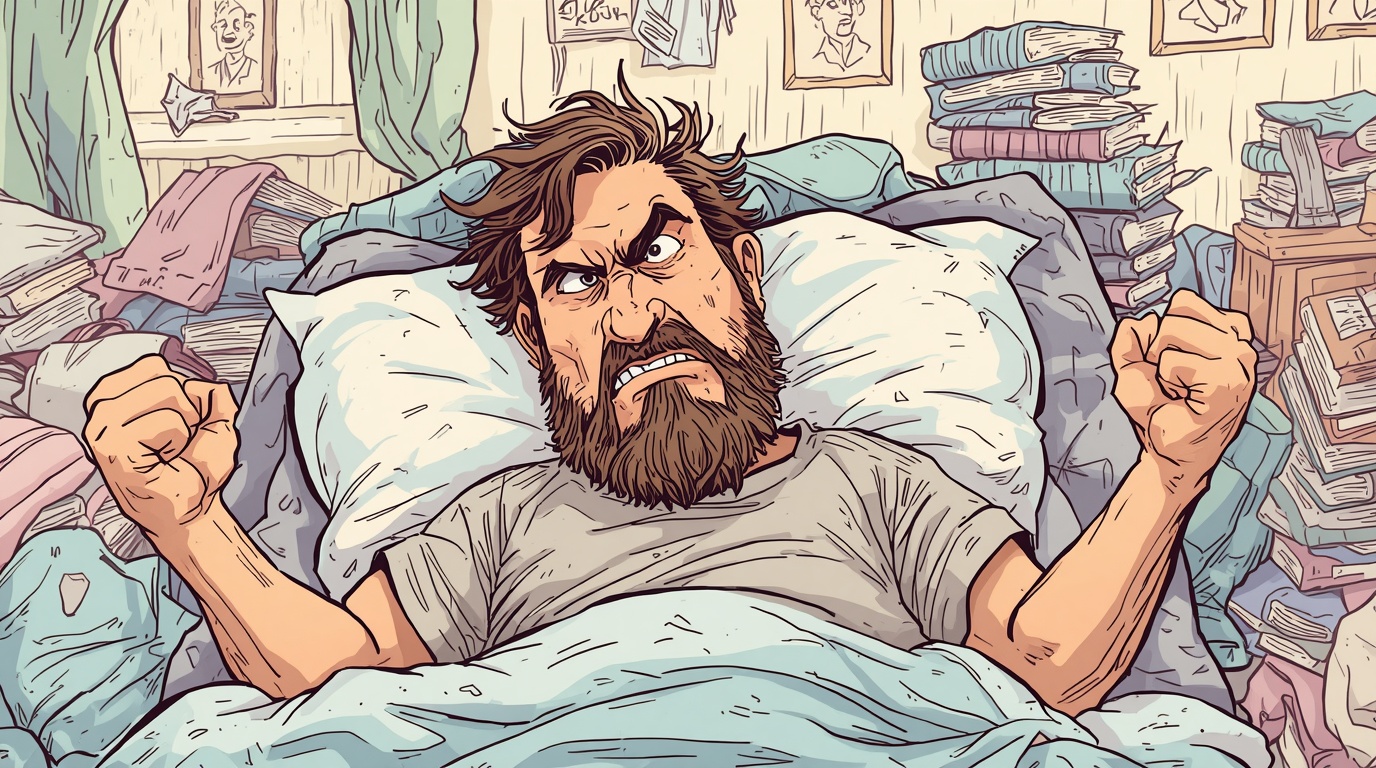
Pull up a chair, grab your favorite mug of tea or a glass of wine, and let’s have a real conversation.
You know that feeling. That sudden, hot rush of blood to your cheeks when someone says something utterly unfair? Maybe it was a sharp comment from a colleague who stepped over your boundaries, a passive-aggressive dig from a family member during Sunday brunch, or a partner who just hit a nerve they knew exactly where to find.
In that split second, your brain goes into overdrive. Your ego screams, “How dare they!” and your instinct is to fire back with a retort so scathing it leaves them speechless. Or, perhaps you do the opposite: you shut down, retreat into a shell of icy silence, and let the anger simmer under the surface for the next three days.
For a long time, I thought there was a “right” way to handle this. I thought being professional meant never showing emotion, but being “strong” meant standing your ground and making sure the other person knew they were wrong. But if I’m being honest with you—friend to friend—I’ve spent a lot of time feeling conflicted about it all.
The Tug-of-War Between Peace and Power
There is this prevailing narrative that if you don’t answer back immediately, you are being weak. We are told we must “assert” ourselves, hold our space, and demand respect in the moment. And on paper, that sounds empowering. Who doesn’t want to be a person who knows their worth?
But then there is the other side: the pursuit of peace. The idea that responding to anger with anger is just adding fuel to a fire.
I’ve lived in the middle of this conflict for years. I realize now that both viewpoints have merit, but neither is a universal rule. Because the truth is, context is everything. The way we handle an insult from a stranger in traffic is vastly different from how we handle a cutting remark from someone who holds our heart in their hands.
The Ego Trap
The hardest part about being insulted isn’t actually the words spoken—it’s the ego. Our ego is like a protective shield, but when it gets poked, it reacts violently. It wants to win. It wants to “balance the scales” of power.
When we shout back or deliver that perfect, stinging comeback, it feels satisfying for about five seconds. It’s a rush of adrenaline. But once the dust settles, does the situation actually improve? Usually, no. In fact, most of the time, the original insult is forgotten, and now the argument is about how we reacted. We become the “difficult” one, while the other person gets to play the victim.
Letting go of that anger is a choice, and let me tell you: it is a hard choice. It feels like you’re losing. But there is a quiet power in deciding that your internal peace is more valuable than the need to be “right” in a shouting match.
When “Bad Moods” Become Patterns
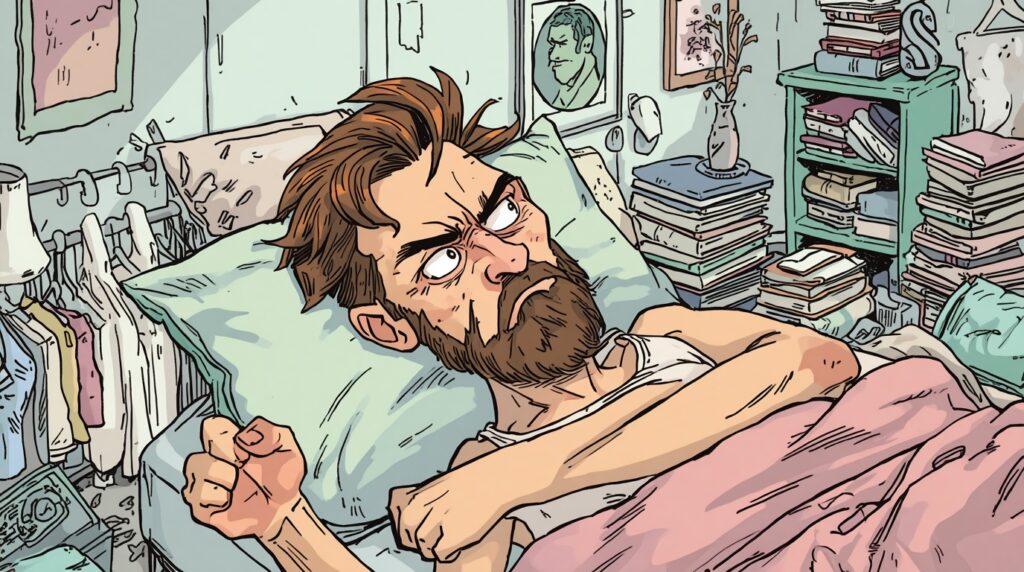
Now, I want to be clear: controlling your anger doesn’t mean becoming a doormat.
If someone has a bad day and lashes out, we can extend grace. We’ve all been there. Maybe they didn’t sleep, or they’re stressed about work, and you happened to be the person in their line of fire. In those one-off moments, choosing not to escalate is an act of kindness—both to them and to yourself.
But what happens when “I’m just in a bad mood” becomes a permanent personality trait? What happens when the insults are perpetual, and the apologies are empty?
This is where the conflict gets tricky. If you constantly suppress your anger to keep the peace, that energy doesn’t just vanish. It stores itself in your shoulders, your gut, and your mind. This is why so many of us reach a breaking point where we explode over something tiny—like a dropped spoon or a misplaced key. It’s not about the spoon; it’s about the years of pent-up resentment that had nowhere to go.
The Strategy of Extrication
If you find yourself in the heat of the moment, my best advice is this: remove yourself from the scene.
I know it sounds simple, but it is the most effective tool in our arsenal. When we stay in the “fight zone,” our brains stay in survival mode (fight or flight), and we cannot think rationally. We can’t be professional or poised when our nervous system is screaming.
By physically leaving the room—even for five minutes to wash your face or take a breath of fresh air—you diffuse the situation. You break the circuit. Once you are away from the trigger, you can ask yourself: Is this a hill I want to die on? Is this person capable of hearing me right now? Or do I need to process this anger privately before I respond?
Breaking the Island Cycle
One of the saddest parts of our modern lives is how isolated we’ve become. We are surrounded by people, yet we live as islands. When we feel insulted or hurt, we often retreat further into our isolation, chewing on the anger alone, which only makes it grow.
If you are struggling with a situation that feels heavy, please, talk to someone. Call your sister, text your best friend, or grab coffee with a mentor. Sometimes, just saying the words “I felt so insulted when they said X” helps take the power away from the insult. It validates your feelings so you don’t feel the need to “fight” for that validation in the middle of an argument.
And if you feel like you don’t have a safe space to vent, there is no shame in hiring a therapist. Having a professional help you untangle why certain comments trigger you can be life-changing. It gives you a toolkit to handle the world without losing your cool.
The Ultimate Act of Self-Love
At the end of the day, whether you choose to speak up or stay silent, remember that your primary responsibility is to yourself.
You have every right to remove yourself from recurring conflict. You have every right to set a boundary and say, “I cannot engage with you when you speak to me this way.” That isn’t weakness; it is the highest form of self-respect.
Loving yourself means protecting your energy. It means knowing that while you cannot control what others say, you have absolute authority over how much of your peace you are willing to give away.
So, the next time you feel that spark of anger rising, take a breath. Remember that you don’t owe the world a reaction. You only owe yourself a sense of calm.