
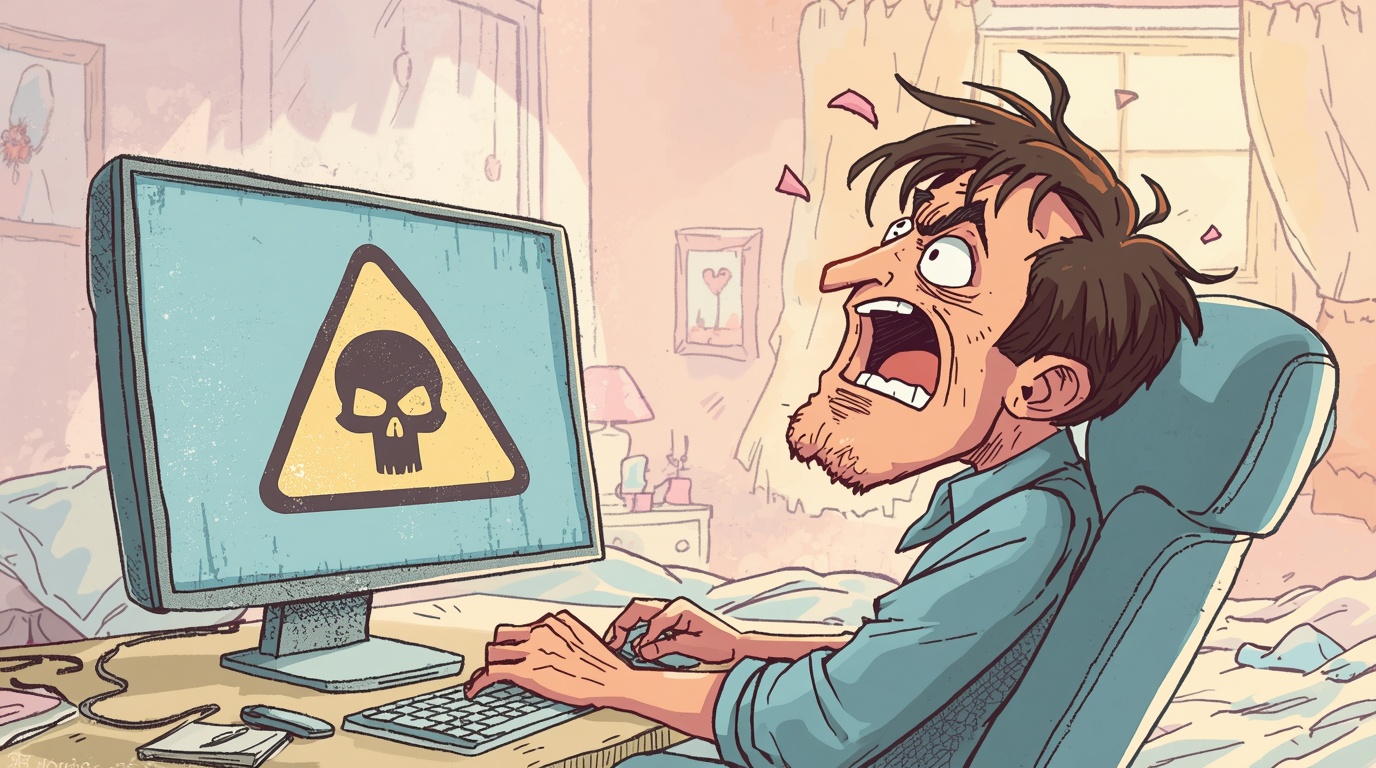
We’ve all been there. You open Instagram for a quick five-minute break—maybe you want to see a cute recipe, check in on a friend’s vacation photos, or find some home decor inspiration. But then, it happens. The “Explore” page decides you are suddenly obsessed with something completely random, or worse, it starts flooding your feed with content that feels low-effort, loud, and entirely irrelevant to who you are.
For a while, we’ve all just shrugged it off as “the algorithm being weird.” But if we take a step back and look at the bigger picture, it becomes clear: the social media recommendation system isn’t just glitching—it’s fundamentally broken.
Let’s dive into how we got here, why your feed feels like a chaotic junk drawer lately, and most importantly, how to reclaim your digital peace of mind.
The Golden Era: When Recommendations Actually Helped
If you remember the early days of social media, it felt like a digital neighborhood. Back then, recommendation systems were designed with a beautiful, simple goal: discovery.
The idea was to connect people with interests to creators who shared those interests. If you loved baking sourdough or painting watercolors, the platform would suggest other artists and bakers. It was a win-win situation. You found new inspiration, and the creators grew their communities based on genuine talent and shared passions.
At that time, a “follower count” was mostly just a vanity metric—something to brag about to your friends over coffee. If a photo or video went viral, it was an exciting moment of serendipity. The creator felt great, the viewers enjoyed a cool piece of content, and then everyone moved on with their actual lives. There was a balance between the digital world and the real world.
The Shift: From Passion to Production
So, where did it all go wrong? In a word: Monetization.
The moment social media shifted from a hobby to a high-stakes business, the game changed. Content creation became industrialized. Suddenly, it wasn’t about creating the best piece of art; it was about playing the numbers game.
Creators realized that if they posted 100 videos, sheer probability dictated that one or two might “hit” the algorithm and bring in thousands of followers. This shifted the focus from quality to quantity. When the goal is simply to produce as much as possible to trigger a machine, craftsmanship goes out the window. We traded depth for frequency.
To give you an idea of the scale we are dealing with, consider this: YouTube hosts roughly 720,000 hours of content every single day. Instagram sees nearly 100 million images and videos uploaded daily. It is a staggering amount of data. The real question is: who is actually watching all of this?

The Rise of the “Garbage Feed”
When you have an ocean of content, the algorithm stops looking for “quality” (which is subjective) and starts looking for “engagement” (which is easy to measure). Unfortunately, the fastest way to get engagement isn’t always through beauty or intelligence—it’s through emotion. Specifically, anger and shock.
This has led to the rise of “ragebait.” You know those videos that are intentionally wrong, slightly annoying, or designed to make you argue in the comments? That is a calculated move to trick the algorithm into thinking the video is “engaging” because so many people are interacting with it.
Once a certain type of low-value content hits the jackpot, we see a flood of clones. Every creator in that niche suddenly rehashes the same joke, the same sound, and the same format over and over again. We aren’t discovering new ideas anymore; we are just seeing the same mediocre idea echoed a thousand times.
The Decency Dilemma
Beyond just being boring or repetitive, there is a more frustrating issue: the slide toward “semi-legal” or low-brow content.
Many of us have noticed that Reels and Shorts have become increasingly vulgar. To grab attention in a three-second window, many creators have abandoned subtlety for shock value. We see an influx of content that plays right on the edge of decency—often relying on sexualized jokes or suggestive imagery to drive traffic toward external paid sites like OnlyFans.
The frustrating part is that these platforms often claim they aren’t for minors, yet there is very little actual age verification. Whether you are a professional woman in her 30s or a teenager, the algorithm doesn’t care about your values or your boundaries; it only cares that “sexualized content” usually gets more clicks.
If you’ve ever felt like your feed has become slightly vulgar or tacky despite your tastes, you aren’t imagining it. The algorithm deems this “popular,” so it pushes it onto new or unsuspecting users regardless of whether it fits their lifestyle.
Why is it So Hard to Fix?
The most exhausting part of the modern social media experience is trying to tell the app, “No thank you, I don’t want to see this.”
Clicking “Not Interested” often feels like a Herculean task. You can tell YouTube you aren’t interested in a specific creator, but if you accidentally clicked two of their videos three months ago, the algorithm will continue to haunt you with their face until you’re practically tearing your hair out. The system is designed to keep you hooked, not to respect your preferences.
How to Take Your Feed Back (And Your Sanity)
If you’re feeling overwhelmed by the digital noise, don’t worry—you aren’t powerless. While we can’t rewrite the code of these billion-dollar companies, we can change how we interact with them. Here are a few ways to stop the onslaught:
1. Be a Mindful Browser
The most effective way to beat the algorithm is to stop feeding it. Be very intentional about what you click. If you see something that feels like “garbage” or ragebait, don’t comment on it and don’t share it—even to complain. To the algorithm, a “hate-watch” is still a watch.
2. Curate Your Circle
Instead of spending hours on the Explore page or the “For You” feed, shift your focus back to the “Following” tab. Find a handful of creators who truly inspire you, educate you, or make you laugh, and ignore the rest. Quality over quantity is the only way to survive the content flood.
3. Use Technical Filters (For Desktop)
If you use YouTube on a desktop browser, there are various extensions that can hide the “Recommended” sidebar or the home page feed entirely. While not all of them are perfect, they provide a necessary barrier between you and the endless scroll.
4. Embrace the “Digital Detox”
Ultimately, the best way to cure internet addiction is to remember that there is a beautiful world existing outside of a five-inch screen. Set timers for your social media use. Put your phone in another room during dinner. Remind yourself that you don’t need to be “up to date” on every trending sound or viral outrage.
Final Thoughts
Social media was meant to be a tool for connection and inspiration. Somewhere along the way, it became a numbers game played by industrial-scale content farms. But remember: you are the consumer. You hold the power of your attention.
By being mindful of what we engage with and refusing to let a broken algorithm dictate our mood or interests, we can turn these platforms back into tools that serve us, rather than us serving them.
Now, put down your phone, take a deep breath, and go enjoy some real-life magic! ✨