
Grab your favorite beverage—coffee, tea, or perhaps something stronger—and let’s have a quick chat.
Do you remember the early days of Pinterest? It felt like a digital scrapbook where we could curate our dreams. We saved recipes for meals we’d actually cook, found inspiration for home decor projects, and built mood boards for trips that might happen one day. It was useful, visual, and generally stress-free. It was a place where you could go to find ideas, save them, and organize your life without feeling like you were fighting against the system.
If you’ve been on the app lately, though, you might have noticed a slight shift in the vibe. Pinterest hasn’t lost its charm entirely, but it has certainly picked up some new habits. Specifically, it’s getting flooded with AI-generated images, and the way it manages those images is becoming a bit of a puzzle.
I recently received a small warning from Pinterest that made me pause. It wasn’t anything major, but it highlighted how much is happening behind the scenes when we search for ideas or save pins. If you’ve used Pinterest for any length of time, you know it’s no longer just about finding a nice picture; it’s now about navigating an algorithm that is trying very hard to be smart, sometimes with mixed results.
The Rise of AI Images and the Loss of Sheen
The most noticeable change is the sheer volume of AI-generated content. Once upon a time, if you saved a pin for “cozy living room ideas,” you were likely seeing photos taken by real people in real homes. Now, there’s a good chance you’re looking at an image created by a computer.
This isn’t necessarily bad on its own. AI can create beautiful, inspiring visuals that spark creativity. However, the flood of these images has made it harder to distinguish between genuine human creativity and digital generation. And because Pinterest is trying to keep things fresh, they’ve allowed a lot of this content in. The problem arises when the system tries to manage what stays and what goes.
It’s hard to believe that Pinterest didn’t anticipate that AI would cause some friction for users. From our perspective as everyday pinners, it feels like hardly any effective steps were taken to shield us from the sheer volume of generated content early on. I don’t blame them entirely—differentiating between a high-quality photo and a high-end AI render is becoming an Olympic sport. But allowing the site to be saturated with this content was certainly a choice. And while some of it is harmlessly “perfect,” a huge chunk of it is, to put it politely, suggestive. We are talking about AI-generated images that are just one pixel away from being full-blown porn, yet they’re masquerading as “lifestyle inspiration.”
When Moderation Gets It Wrong: The Exercise Incident
Here is where things get interesting for us as users. To keep the feed clean, Pinterest uses AI tools to moderate content. This sounds efficient, but these tools don’t always understand context.
I recently saved a pin featuring an exercise routine—nothing fancy, just someone stretching or working out. It was completely innocent, purely for fitness motivation. Later, I noticed that the pin had been deactivated from my board. According to the details in my account’s violations center, it was flagged as “sexually suggestive.”
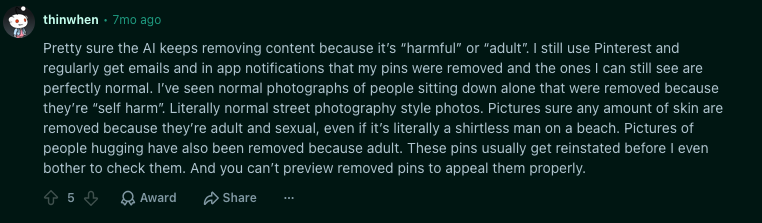
It’s easy to laugh at this, but it shows how strict and sometimes blind the filters can be. The AI instead of a fitness tip saw a potential violation. Meanwhile, if you scroll through your feed, you’ll likely find plenty of other images that are slightly more stylized or modified by AI to be provocative, yet they remain perfectly visible.
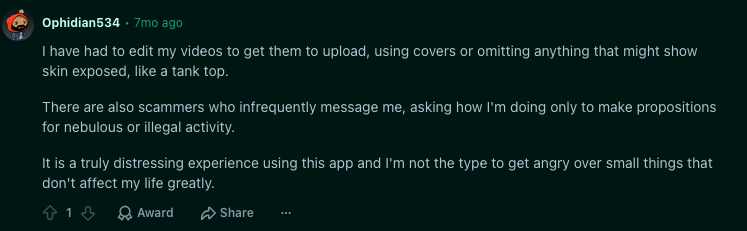
This inconsistency is frustrating, especially for those of us who use Pinterest as a tool for our businesses or hobbies. If you run a blog, an online store, or just love curating boards for friends and family, having your carefully selected pins removed because of a technical glitch can be annoying. It feels like the system is punishing innocent content while letting other things slide through unnoticed. For small business owners who rely on Pinterest as an essential marketing tool, these mistakes aren’t just glitches; they can mean missed opportunities or even lost sales if their visual identity gets disrupted by erratic moderation.
The Labeling Mix-Up and Societal Context
Another quirk I’ve noticed is how Pinterest labels images. If you look closely at many pins now, you’ll see tags indicating they are “AI Modified.” This is helpful for transparency, but it’s not always accurate.
I’ve seen several images tagged as AI-generated that were clearly taken with a camera by a human photographer. Conversely, some genuinely AI-created images slip through without the tag. It suggests that the labeling system is still learning. For now, it’s best to take those tags with a grain of salt. The intention is good—Pinterest wants us to know what we’re looking at—but the execution isn’t perfect yet.
There is also a deeper issue here regarding context. AI doesn’t understand culture. It doesn’t understand fashion, art, or societal nuances. What is considered “appropriate” in one society might be flagged as “inappropriate” by an algorithm programmed with different biases. The AI isn’t thinking, “Is this artistically significant?” No, it’s just scanning pixels and making wild guesses.
For instance, there are already complaints about actual art being categorized as AI-generated. If you spend any amount of time on Pinterest, the overwhelming number of images are tagged as AI modified. Ironically, many of those images are not actually AI. It is clear that image labeling in Pinterest is a broken system that needs fixing ASAP. When we can’t trust the labels, it becomes harder to appreciate the original creators and their work.
The Consistency Problem: LGBT Terms vs. Straight Terms
If we’re going to talk about moderation, we have to talk about the lack of consistency across different categories.
I’ve noticed that Pinterest has been diligent about filtering out certain terms and imagery associated with the LGBT community. This is commendable—keeping a platform clean and curated is the goal. However, it feels a bit uneven when they aren’t applying the same vigilance to other similar content.
Let’s break this down simply. If you search for specific terms related to LGBT identities or aesthetics, Pinterest often refuses to show images associated with those searches unless you’re looking closely, sometimes even sending warnings if you use certain keywords. This is fair enough if they are trying to maintain a high standard of quality.
But here is the catch: Pinterest isn’t applying that same level of vigilance to straight sexual terms or fetish imagery. If you look around, you’ll see plenty of “straight” lifestyle pins that have been there for years, often with subtle fetish undertones or just general sexual nature (like trends coming from TikTok, such as “sex magic” aesthetics). These images are pretty much available without asking.
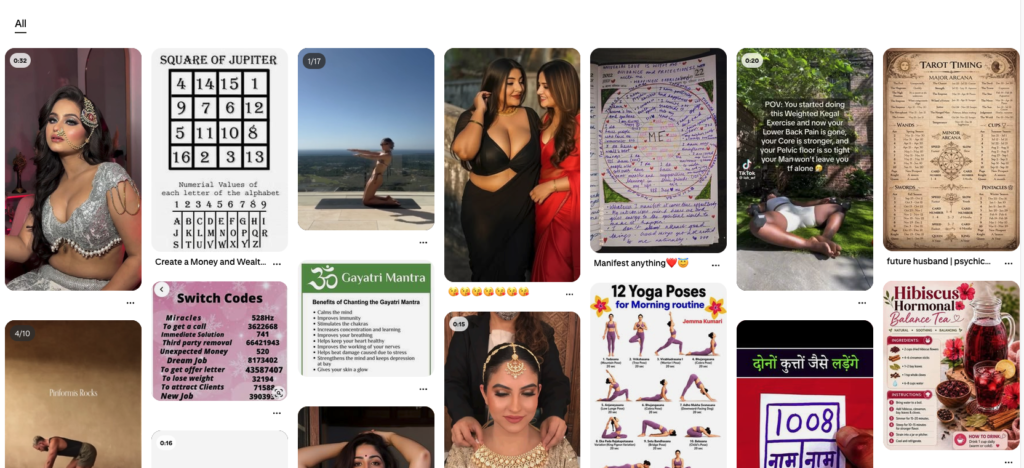
Banning one group of words while keeping more vulgar or less curated groups of words on the website confuses everybody. It creates a patchwork experience where some interests are hyper-curated and others are left to grow wild. If Pinterest wants to be the “curated” site, they need to pick a lane. Either ban all pornographic or highly suggestive terms across the board with equal rigor, or stop acting like a strict librarian when it only applies to certain people. The current approach feels selective rather than systematic.
How You Can Take Control (A Helpful Tip!)
If you find yourself overwhelmed by AI-generated content or just want your feed to look more like the Pinterest you remember, there is actually a simple setting you can adjust. It’s not widely advertised, but it can make a big difference in what you see.
Here is how you can try to refine your recommendations:
- Open the Pinterest app on your phone.
- Go to your Profile and tap the Settings icon (usually a gear symbol).
- Look for an option called “Refine Your Recommendations.”
- Inside that menu, find “GenAI Interests.”
- Toggle off all the selections there.
Note: This setting might not be available to everyone.
Turning this off doesn’t remove AI images entirely, but it helps signal to the algorithm that you prefer content based on your actual interests rather than generated trends. It’s a small step, but it can help declutter your feed and bring back more of those genuine, human-curated pins.
Finding Balance in a Digital World
At the end of the day, I don’t mind technology improving our experience. In fact, I appreciate that Pinterest is trying to stay ahead of the curve. But there is a fine line between innovation and losing touch with what made the platform special in the first place: real ideas from real people.
We are living in an era where AI is everywhere, and social media sites are adapting quickly. Sometimes, this leads to minor glitches, like my exercise pin being flagged or art being mislabeled. But these issues are part of the growing process.
The key for us as users is to stay aware. Use the settings available to you, be mindful of what you save, and don’t hesitate to report errors if you see them. By doing so, we help train the system to get better. Social media companies need to come to terms with this new reality and find a balance between automation and human intuition. Adults need space to freely share their ideas without fearing censorship or repercussions for innocent content.
Final Thoughts
Pinterest is still a wonderful tool for inspiration, creativity, and planning. It hasn’t lost its sheen; it’s just undergoing a renovation. While the AI flood can be overwhelming at times, taking a few minutes to adjust your settings can help restore that sense of calm and curation we all love.
So, keep pinning those beautiful ideas, but maybe double-check that your yoga poses aren’t being flagged as scandalous! And remember, if you see something odd, you now have the tools to tweak your feed back to how you like it.
If you have found the Article interesting, you may read these too,
- 10 Ways to Reclaim Your Brain from YouTube Addiction and Take Back Your Life
- Why Social Media is Becoming a Minefield-and this time Instagram is feeling the heat of Indian regulators
- How to Reclaim Your Privacy on Pinterest
- A Friendly Chat About How To Be Mindful While Using Pinterest
- Back in Action: 3 Simple Strategies to Master Consistency (Even When Life Gets in the Way)