
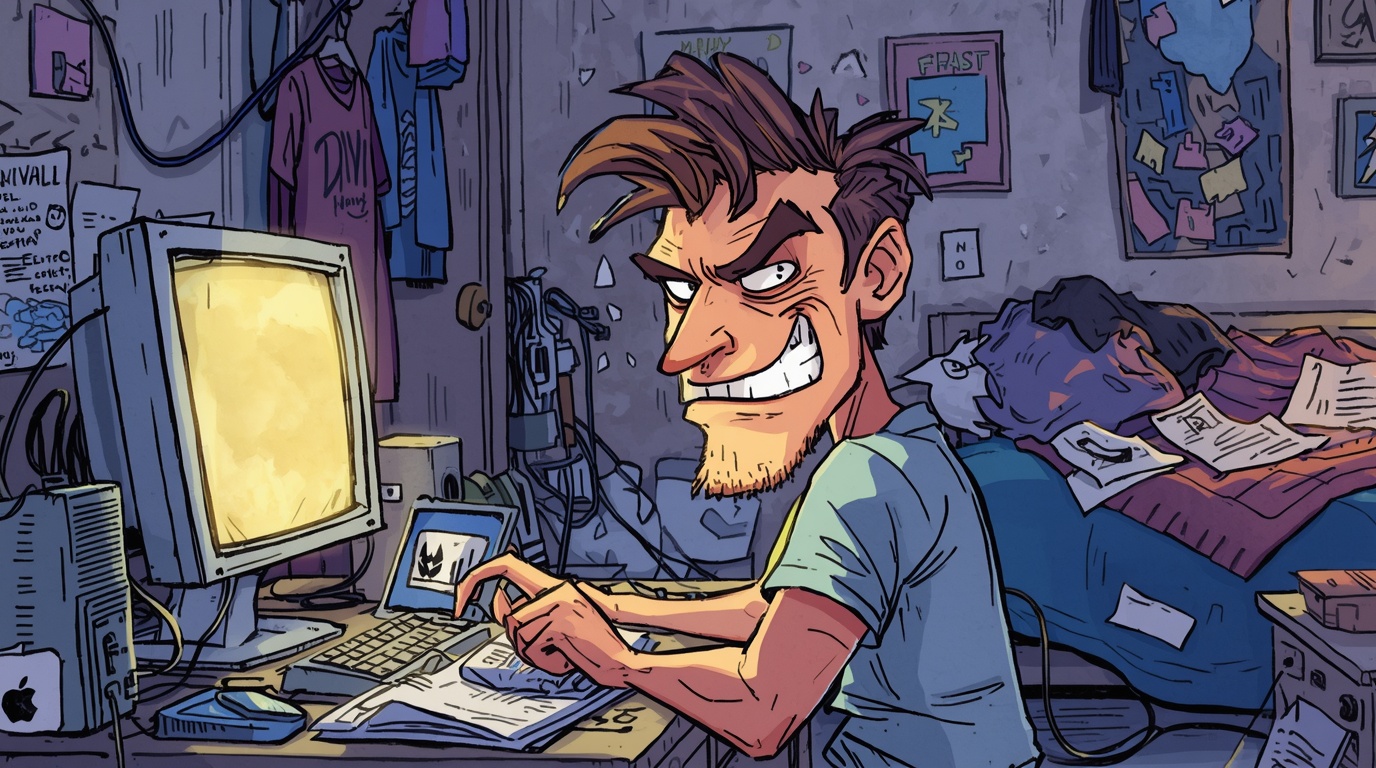
I wonder why people are overlooking this one suggestion?
We’ve all been there—that fluttery, exciting stage of a new relationship where you feel completely safe and seen by another person. You share your secrets, your dreams, and sometimes, your most private moments. Trust is the foundation of intimacy, and when we give that trust to someone, we do so with the belief that our vulnerability will be handled with care.
But for many women, that trust is being betrayed in ways that feel impossible to recover from. Today, I want to talk about a topic that isn’t always easy to bring up over brunch, but is essential for every modern woman to understand: Non-Consensual Intimate Imagery (NCII).
A Story of Betrayal: Maya’s Experience
Maya was twenty-four, ambitious, and deeply in love with her boyfriend of two years, Liam. They had a relationship that seemed picture-perfect from the outside. However, as the months passed, Maya began to notice subtle red flags—Liam’s need for control, his occasional bouts of jealousy, and his insistence on knowing where she was at all times.
When Maya finally realized that the relationship had become suffocating, she did the brave thing: she ended it. She thought she was stepping into a new chapter of freedom and self-discovery. But a week after the breakup, Liam sent her a message that chilled her to the bone.
It wasn’t an apology or a request for closure. It was an image.
Maya stared at her phone in disbelief. It was a photo of her—or rather, it looked like her. She recognized her face and her favorite earrings, but she was in a state of undress and in a setting she had never been in. She had never taken that photo. As she zoomed in, she realized the lighting was slightly off; it was an AI-generated image, a “deepfake” created using photos he had taken of her during their relationship.
Attached to the image was a threat: “If you don’t come back to me and stop talking to your friends about our ‘problems,’ I’ll make sure everyone in your office and your family sees these. I can make a hundred more.”
Maya felt a wave of nausea. Her privacy had been invaded and weaponized. The person she once trusted was now using technology to hold her dignity hostage.
A Widespread Crisis
The above story is fiction but this type of stories are reality for many women everyday.
Maya’s story is, unfortunately, not an isolated incident. Across the globe, thousands of women and members of the LGBT community are facing this exact scenario. Non-consensual intimate imagery—whether it is a real photo taken in private or a synthetic image created via Generative AI—has become a widespread tool for harassment and control.
We see this pattern frequently: teenagers using these tools to “get back” at female friends, or women who have rejected unwanted advances finding themselves the victims of digital manipulation. In many cases, NCII is used as a form of blackmail to force women into fulfilling unreasonable demands or participating in acts that put their safety at risk.
The psychological toll is immense. When your image is stolen or manipulated, it feels like a violation of your very identity. It creates a sense of helplessness, knowing that once something is on the internet, it can feel impossible to truly “erase.”
The Current State of Solutions
The good news is that society and the legal system are beginning to wake up to this crisis. Many regions are enacting new laws specifically designed to combat NCII. These legal frameworks generally focus on two fronts: forcing tech companies to stop the circulation of leaked or manipulated imagery and ensuring that the perpetrators face criminal prosecution.

However, as technology evolves, the solutions must evolve too.
Currently, many AI companies are in a difficult position. Because they fear being complicit in these crimes—or facing bad publicity—they have started restricting their image-editing tools. While this sounds like a good safety measure, it has created a “blanket” restriction. This means that genuine users (such as those using AI for adult fiction, roleplay, medical imaging, or professional modeling) are often blocked from using tools they actually need.
The companies are essentially saying, “We don’t know if this is consensual, so we won’t let anyone do it.” While cautious, this doesn’t actually solve the problem for the victim; it just limits the tool.
The Path Forward: A Practical Solution
So, how do we bridge the gap between protecting women’s privacy and allowing technology to flourish? The answer lies in accountability and documentation.
One of the most effective proposed solutions is the implementation of a Model Release system for AI image generation.
Here is how it would work: instead of a “free-for-all” where anyone can upload any photo, AI platforms could require a written consent form—a model release—from the person in the image. If a user is uploading their own photos to edit, they would provide a written declaration confirming their identity and consent.
By creating a formal option where the creator must declare they have the requisite permission to create intimate imagery, we achieve three major wins:
- Removal of Burden from AI Companies: Companies no longer have to guess if an image is consensual; they have a digital paper trail of consent.
- Empowerment of Legitimate Creators: Professional models and artists can continue to use these tools for their careers without being blocked by overly cautious filters.
- Stronger Legal Recourse: This is perhaps the most important point for victims like Maya. If a system based on written consent becomes the industry standard, it becomes much easier for law enforcement to prosecute offenders. If an image exists but there is no valid written consent on file, the act of creating that image becomes a clear-cut legal violation.
Final Thoughts: You Are Not Alone
If you find yourself in a situation like Maya’s, please remember that you are not alone and this is not your fault. The shame does not belong to the victim; it belongs to the person who violated your privacy.
Whether it is through seeking legal counsel, reporting the imagery to platforms, or documenting the threats, there are steps you can take to reclaim your narrative. As we move toward a world where AI is integrated into everything we do, demanding strict consent protocols isn’t just a technical necessity—it’s a matter of basic respect and human rights.
Our images belong to us. Our bodies belong to us. And it is time the digital world reflected that truth.