
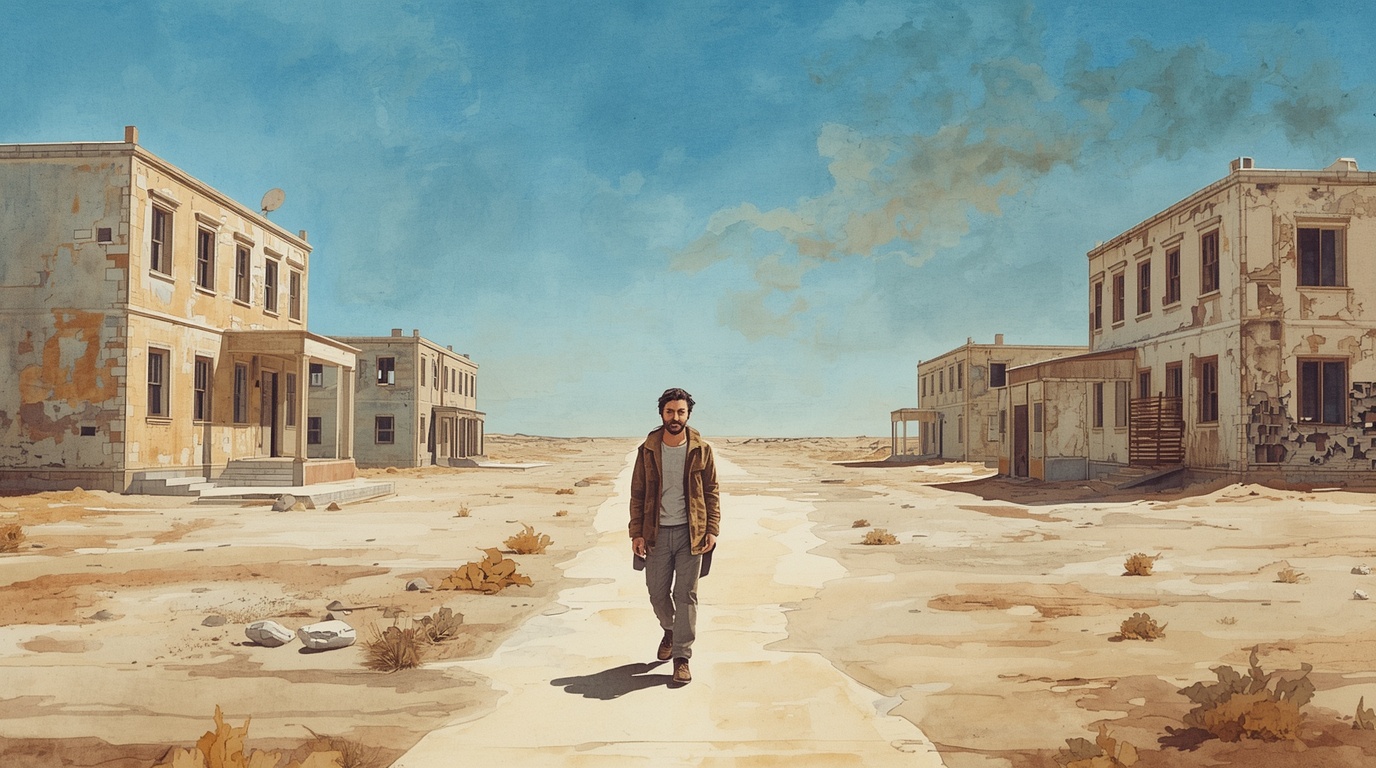
We live in an era of unprecedented convenience. We can order food with a thumb-tap, talk to someone across the globe in milliseconds, and access the sum of all human knowledge from a slab of glass in our pockets. On paper, we are the most connected generation in history. But if you look closer—if you look at the quiet desperation in people’s eyes during a morning commute or the hollow feeling that hits right after scrolling through social media for two hours—you’ll realize the truth: we have never been more isolated.
This isolation isn’t just about being alone in a room; it is a systemic disconnection from society, nature, and ourselves. And because humans aren’t built to exist in a vacuum, we are trying to fill that void with whatever provides a quick hit of pleasure. We have become a society of addicts, chasing dopamine to numb the pain of loneliness.

The Modern Dopamine Trap
When we talk about addiction, we often think of the “extreme” cases—the person living on the street or the alcoholic who can’t hold a job. But in the present age, addiction has become democratized. It’s woven into the fabric of our daily routines.
First, there are the traditional chemical dependencies: drugs and alcohol. For many, a glass of wine at 6 PM isn’t about tasting the notes of a grape; it’s about switching off a brain that has been stressed by corporate demands for ten hours. Drugs often serve as a shortcut to a state of peace or excitement that feels unattainable in a cubicle.
Then, there is the digital addiction—specifically porn. In an age where genuine intimacy is becoming harder to find, porn offers a simulated version of connection without the vulnerability or effort required in a real relationship. It provides a massive surge of dopamine that tricks the brain into feeling satisfied, while leaving the soul feeling emptier than before.
The common thread here isn’t just “bad habits.” The common thread is dopamine. We are relying on external substances and stimuli to regulate our moods because we no longer have the internal resources or the social support systems to do it naturally.
The Root Cause: Isolation from Society and Nature
Why is this happening now? Why aren’t we just “stronger” as individuals? Because addiction is rarely a failure of will; it is usually a symptom of a deeper deficiency.
For thousands of years, humans lived in tight-knit tribes. We had elders for wisdom, siblings for companionship, and a community that caught us when we fell. Today, we have “networks,” but we don’t have communities. Many of us live in cities surrounded by millions of people, yet we don’t know the name of the person living behind the wall of our apartment.
We have traded depth for breadth. We have five hundred “friends” on Facebook but no one to call at 3 AM when our world is falling apart. This lack of a reliable support system—family and friends we can truly rely upon—creates a vacuum of loneliness. When you are isolated, the world feels cold and threatening. To cope with that coldness, you turn to things that make you feel warm, numb, or excited. You turn to the bottle, the screen, or the pill.
Beyond society, there is our disconnection from nature. We have spent the last century trying to conquer nature, paving over it with concrete and trapping ourselves in climate-controlled boxes. We’ve forgotten that we are biological creatures. We are made of the same elements as the trees and the soil. When we sever our tie to the earth, we lose our grounding. We become anxious, fragmented, and restless—the perfect psychological state for addiction to take root.
The Cost of the Quick Fix
The tragedy is that these dopamine-driven shortcuts come with a heavy price tag. Our health is plummeting, not just physically, but mentally and emotionally.
When we rely on substances for happiness, we stop producing our own “feel-good” chemicals efficiently. We raise our baseline for pleasure so high that the simple things—a sunset, a conversation, a quiet morning—no longer register. Everything starts to feel grey. This leads to a vicious cycle: the more we use these shortcuts to escape the grey, the greyer the world becomes, and the more we need the substance to cope.
Physically, our bodies are paying the price. Chronic stress combined with poor dietary habits and chemical dependencies is leading to a rise in autoimmune diseases, insomnia, and premature aging. We are progressing technologically, but biologically, we are crashing.
The Path Back: Nature, Spirituality, and Art
If the problem is disconnection, the solution is reconnection. But we cannot find this by adding more things to our lives; we find it by returning to what is essential.
Nature is the ultimate healer because it doesn’t demand anything from us. A forest doesn’t care about your job title or your social standing. When we step into nature, our nervous system begins to regulate. The fractal patterns of leaves and the rhythm of the ocean pull us out of our heads and back into our bodies. Nature provides a “wholesomeness” that no app or substance can replicate because it reminds us that we are part of something vast and eternal.
Similarly, spirituality—not necessarily organized religion, but a genuine quest for meaning—gives us a center. It allows us to ask why we are here and helps us find peace in the present moment rather than chasing a future goal or escaping a past trauma.
Then there is art. Real art—the kind that requires patience and presence—is a mirror to the soul. Whether it’s painting, music, or writing, art allows us to process emotions that are too complex for words. It connects us to the collective human experience, reminding us that our pain and longing are shared by others. Nature, spirituality, and art provide a “slow” peace—a sustainable contentment that doesn’t leave a hangover or a crash.
The Power of Minimalism
To make room for these things, we have to address the clutter in our lives. We live in a culture of excess. We are told that more is better: more money, more clothes, more gadgets, more commitments. But excess is often just another form of noise used to drown out the silence of loneliness.
Minimalism isn’t just about owning fewer things; it’s about shedding everything that doesn’t add value to your soul. When we stop chasing the “next big thing,” we stop the constant cycle of desire and disappointment. By simplifying our external lives, we create space for internal growth. Minimalism allows us to focus on quality over quantity—quality friendships over a thousand followers, and quality experiences over material possessions.
The Warning: Progress Without Peace
The most dangerous delusion of the modern age is the idea that “progress” equals “improvement.” We are progressing in terms of speed, efficiency, and technology, but we are regressing in terms of peace and mental well-being.
We are sprinting toward a finish line that doesn’t exist. We work harder to buy things we don’t need to impress people we don’t like, all while our mental health deteriorates. If we continue to progress without a thought for inner peace, we are bound to crash. A society cannot survive on dopamine alone; it needs meaning, connection, and stillness.
The crash is already happening in the form of burnout, depression, and addiction epidemics. The only way to avoid a total collapse is to stop valuing “more” and start valuing “enough.”
Final Thoughts: Choosing the Hard Path for a Better Life
Breaking an addiction—whether it’s to a substance or a screen—is hard. It’s much easier to take a pill or scroll through a feed than it is to sit in silence with your own thoughts or hike a mountain alone.
But the “easy” path is what led us to this state of isolation. The “hard” path—the path of minimalism, nature, and genuine human connection—is where life actually happens.
It starts with small steps. It starts with putting the phone away for an hour and looking at the sky. It starts with calling a friend just to hear their voice, not to coordinate a plan. It starts with admitting that we are lonely and that the things we’ve been using to fill the void aren’t working.
We don’t need more technology to save us. We don’t need another “life hack” or a new supplement. We need each other, we need the earth, and we need the courage to be still. It is time to stop chasing the high and start seeking the peace.